
Fire Preparation












































Fire Preparation
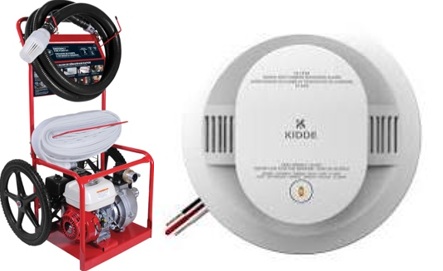
Portable fire pumps: If you don’t already have one, consider purchasing a portable high-pressure water pump like this. See the 2025 March/April, May/June, and July/August issues of TIA’s River Talk for recommendations about purchasing portable fire pumps.
Smoke & Carbon Monoxide Alarms: All dwellings, whether permanent or seasonal, must have working smoke alarms on every level as well as carbon monoxide (CO) alarms on every level and outside sleeping areas for homes with fuel-burning appliances (e.g., wood stoves, propane furnaces, cooktops). This includes sleeping cabins. Failure to maintain functioning alarms can result in significant fines. This law applies in Ontario and New York State.
- Alarms should be tested monthly, it is best to replace batteries every six months, and units must be replaced after 10 years or according to manufacturer instructions.
- If your rental property sleeps more than 10 people, other regulations may apply.
Rental Cottages: In recent years, short-term rentals of cottage and island properties have become more common in this area, including Airbnb rentals. Many vacation property owners appear to be unaware of the regulations and best practices that help keep their tenants and property safe.
Teaching renters about emergency preparedness: Many renters are unfamiliar with rural living basics. Property owners should educate renters on what to do if an alarm sounds, how to contact emergency services, and how to reach the property owner. Property owners should provide renters with a copy of this article in River Talk (pages 8-12) about making 911 marine calls.
Cautionary Tales: Here are links to two first-hand accounts of how islanders dealt with a recent major cottage fire, along with their tips about how to be prepared in the event that one occurs: “Fire Next Door – 200 miles away” go to page 5 and 500 Seconds.